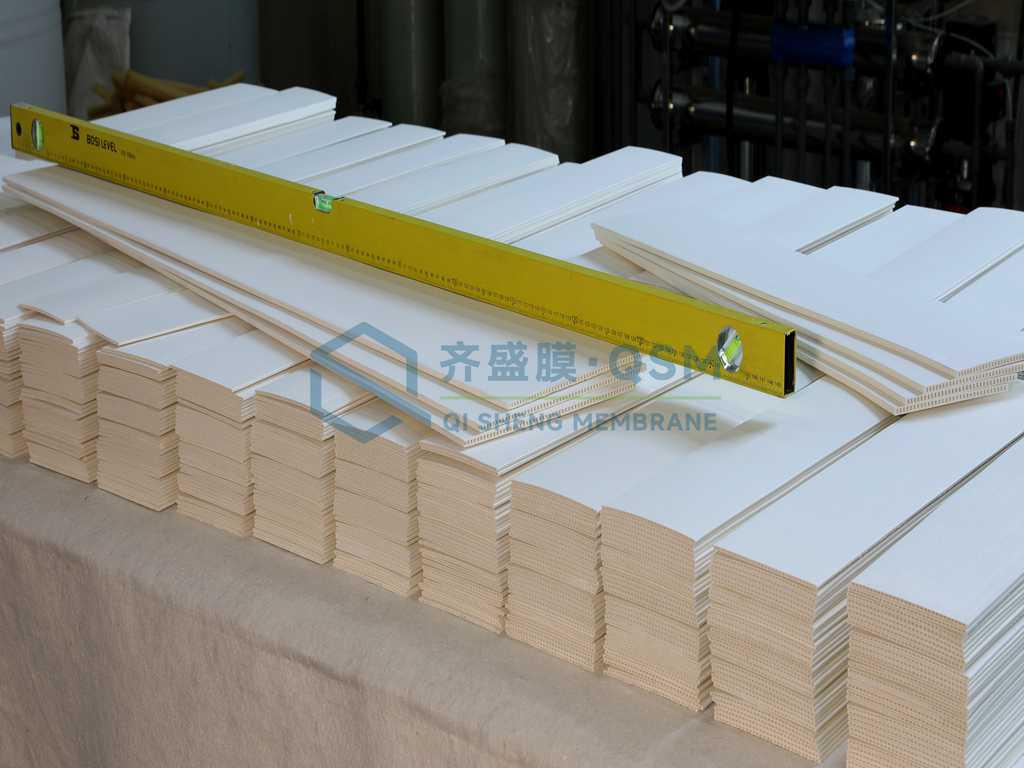
Ultrafiltration (UF) Membrane – Product Overview
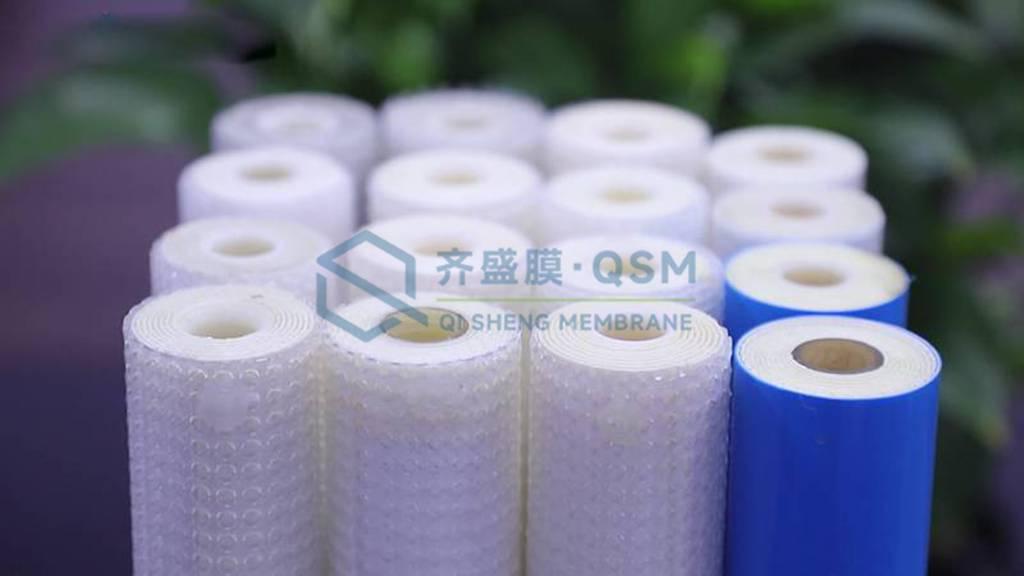
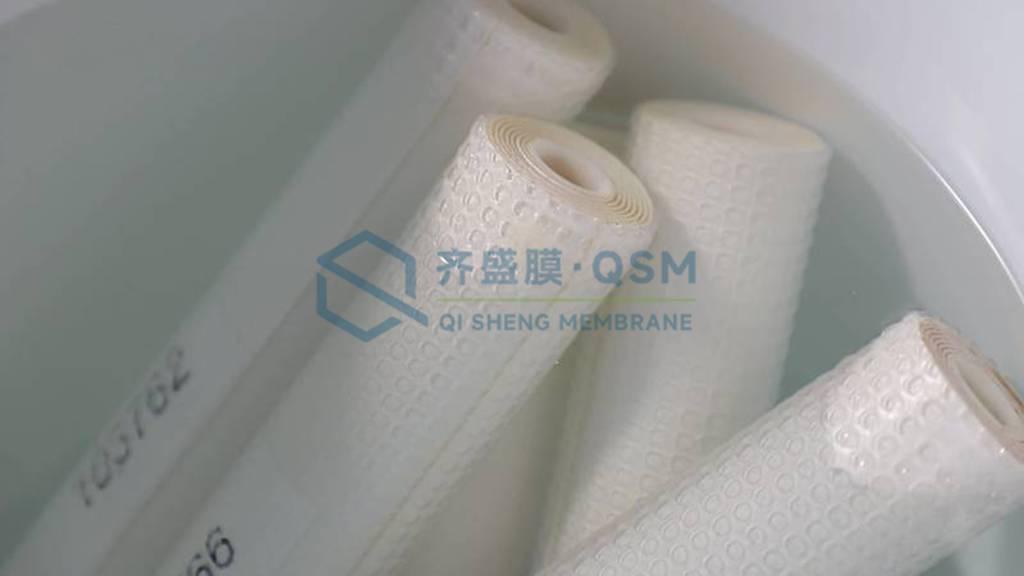
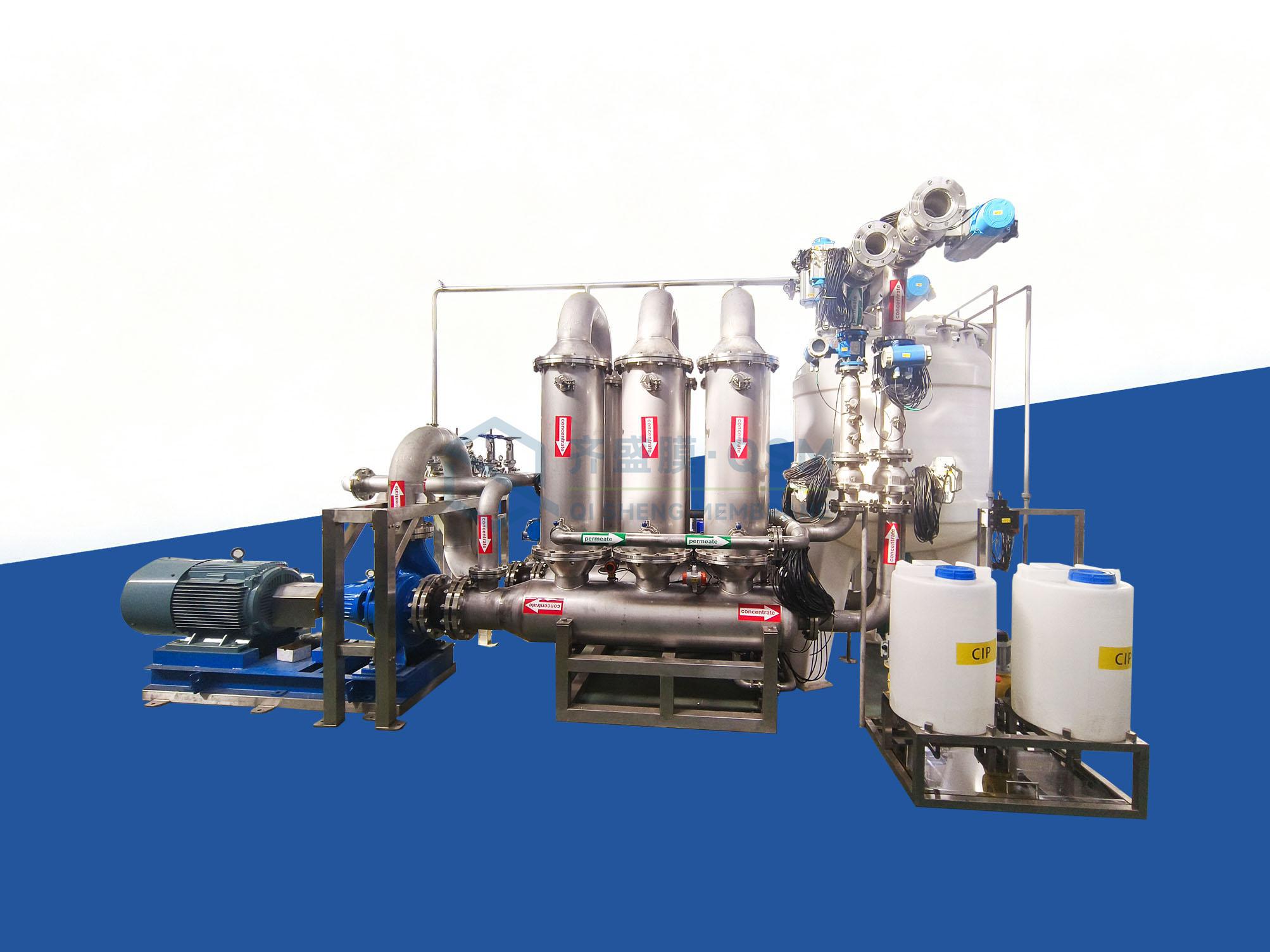
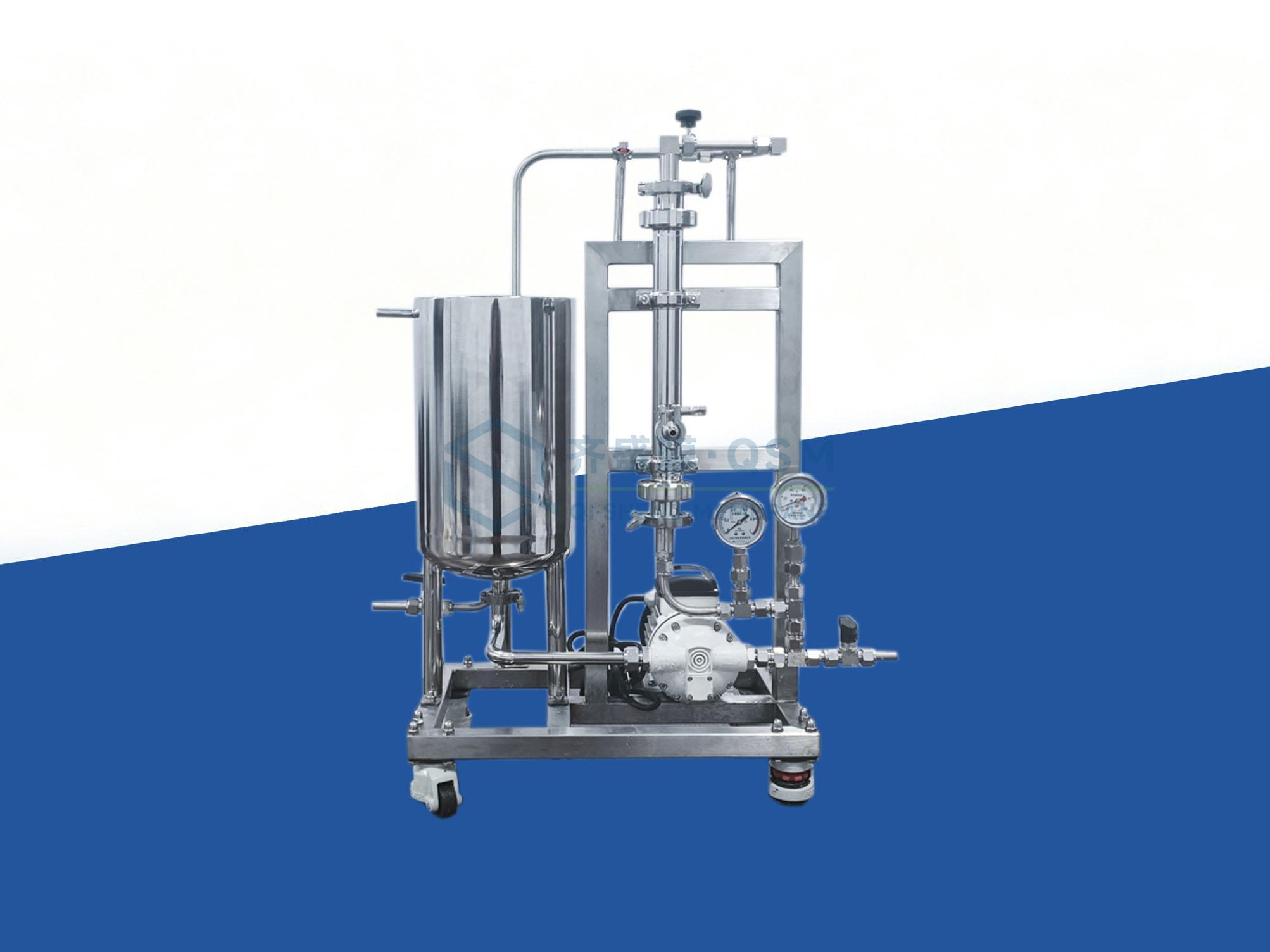
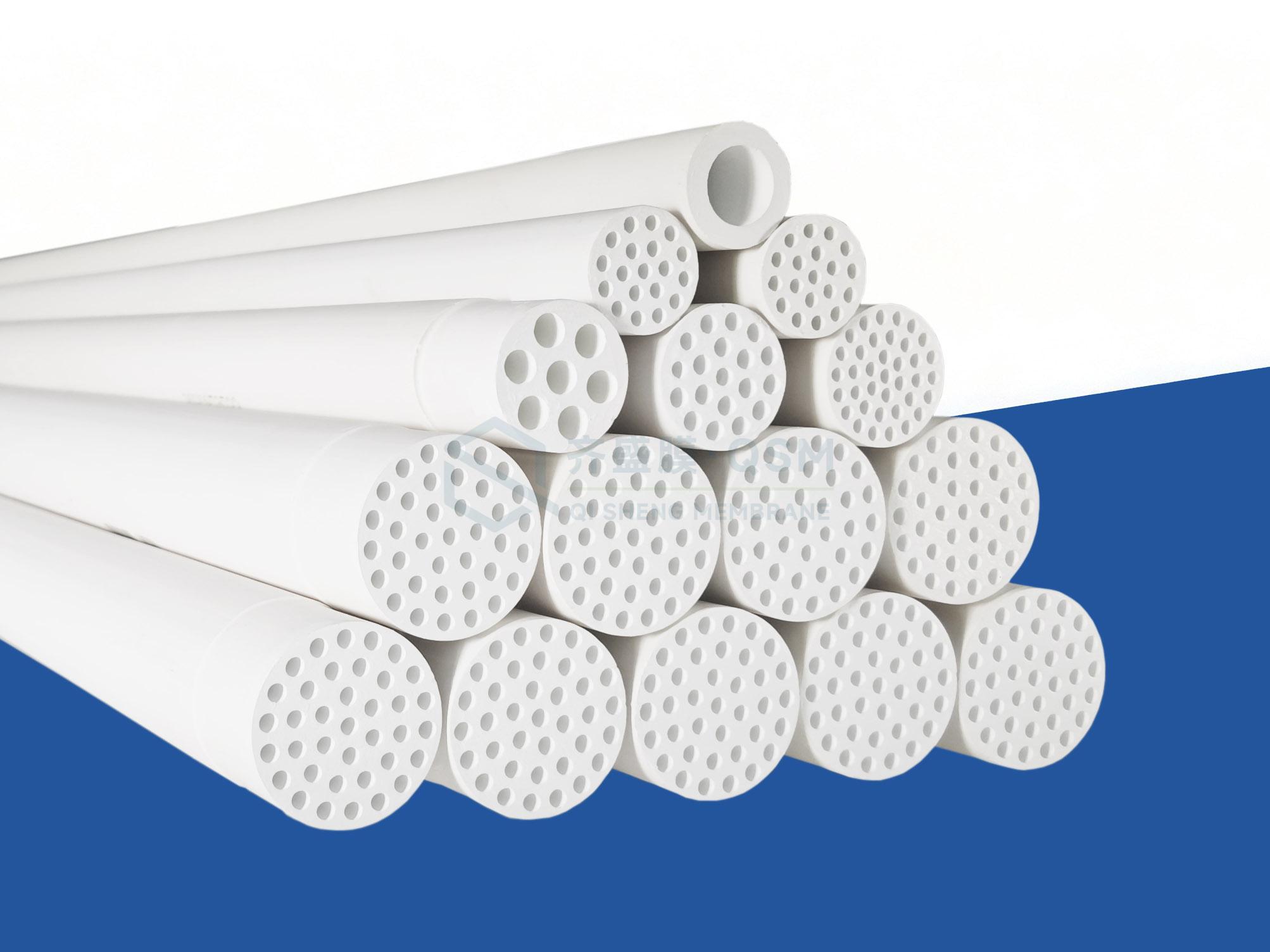
Ultrafiltration membranes are microporous filtration membranes with uniform pore size, typically rated below 0.01 μm. By applying appropriate pressure on one side of the membrane, solute molecules smaller than the pore size can be sieved out, enabling the separation of particles with molecular weight greater than 500 Daltons and particle size larger than 10 nm. UF membranes are among the earliest developed polymer separation membranes, with industrial UF systems commercialized as early as the 1960s. They can separate target products of different molecular weights, thereby replacing traditional purification processes such as activated carbon decolorization, resin impurity removal, crystallization, and extraction, achieving decolorization, impurity removal, and product fractionation. In terms of membrane element configuration, the most widely used types are spiral-wound and tubular membranes.
UF Membrane Element – Basic Parameters
UF Membrane Element – Operating Control Parameters
(To be specified based on application)
Product Advantages
High thermal and chemical stability
Imported raw materials ensure high quality
Dead-leg-free design resists fouling
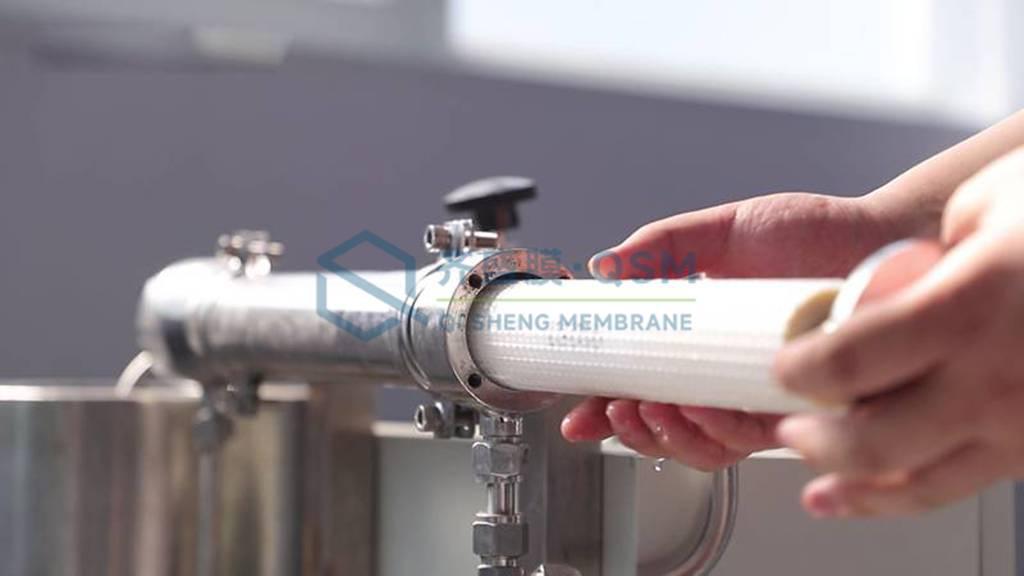
Easy membrane module replacement
Various membrane element specifications available
High packing density with low cost per unit membrane area
Applications
Clarification and concentration of fermentation broths in pharmaceutical and biochemical industries
Whey protein and gelatin concentration
Industrial water pretreatment and purified water sterilization/impurity removal
Production of sterile water and water for injection in medical applications
Separation and purification of traditional Chinese medicine (TCM) extracts
Refining of low-alcohol liquor and clarification/filtration of wine
Oil-water separation
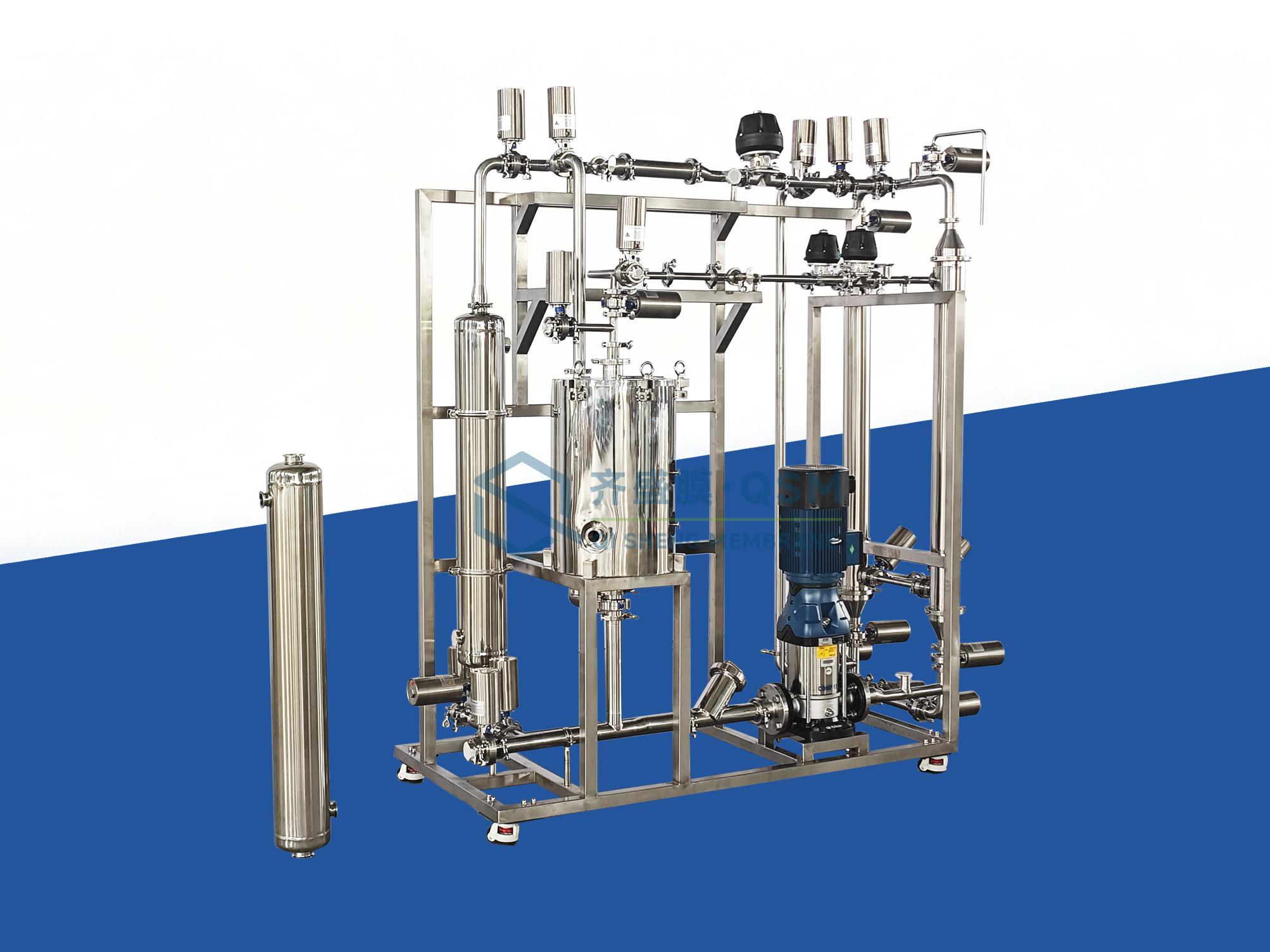
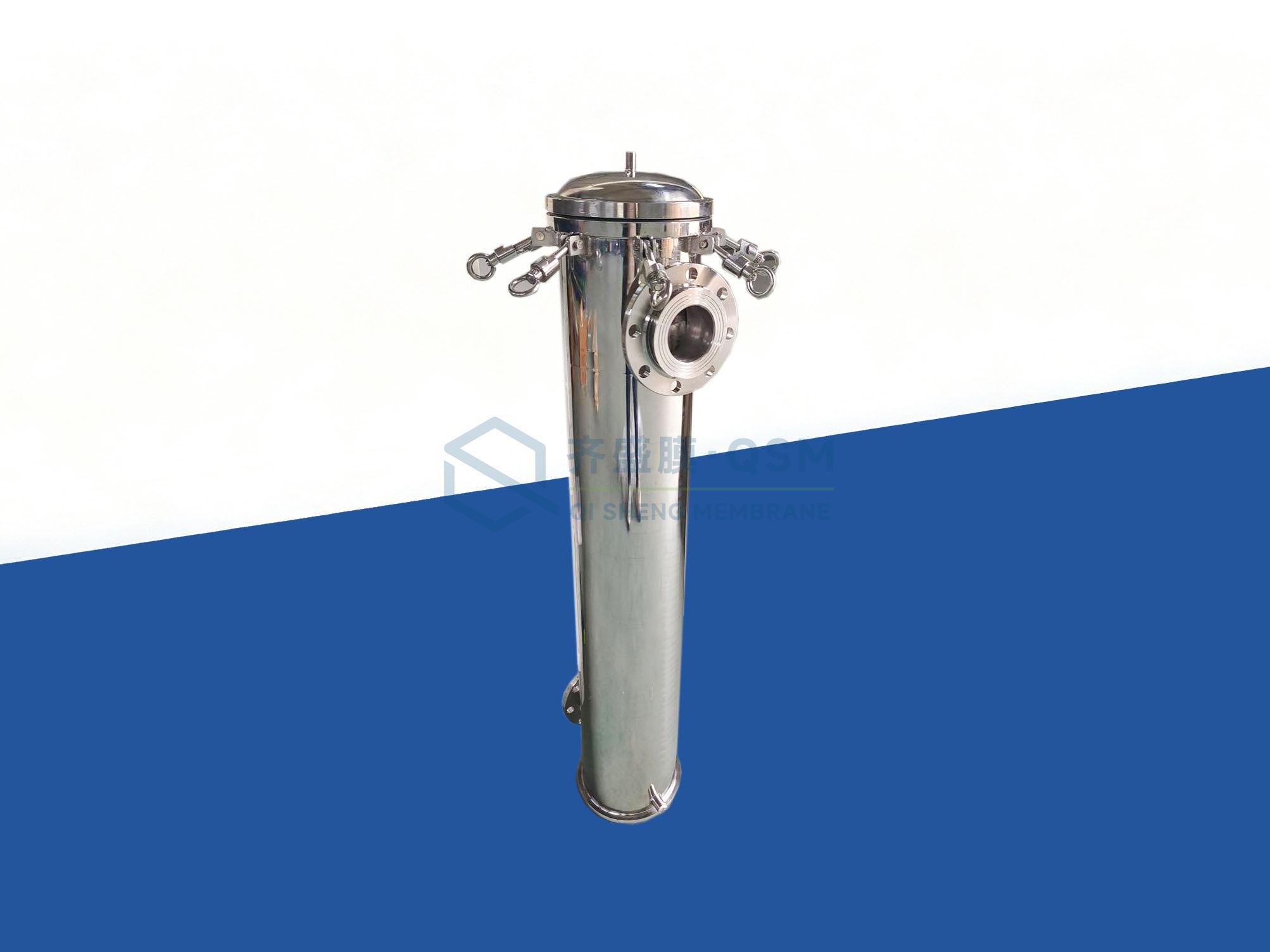
Membrane housings can be custom-designed to match the elements.
Nanofiltration (NF) Membrane – Product Overview
Nanofiltration membranes have a molecular weight cut-off between reverse osmosis and ultrafiltration membranes, typically ranging from 200 to 800 Daltons. Rejection characteristics: divalent and multivalent anions are preferentially rejected, while monovalent ion rejection depends on feed concentration and composition. NF is commonly used for removing organic matter and color from surface water, reducing hardness and partially removing dissolved salts from groundwater, and for extraction and concentration of substances in food and biopharmaceutical production. The typical operating pressure range is 3.5–30 bar.
NF Membrane Element – Key Parameters
We offer spiral-wound NF membrane elements with precise MWCO ratings, featuring compact construction and optimized surface-area-to-volume ratios. By using different feed spacer thicknesses (13–120 mil), the feed channel width can be adjusted to accommodate various feed viscosities. To meet special industry requirements, we can select the most suitable NF membrane based on customer process conditions, system characteristics, and technical specifications.
Common NF Membrane Performance Parameters
Product Advantages
Precise molecular weight cut-off
Easy membrane module replacement
Dead-leg-free design resists fouling
High-quality imported membrane materials – high flux, excellent stability
Various membrane element specifications available
High packing density with low cost per unit membrane area
Applications
Water softening
Chemical wastewater treatment
Precious metal recovery
Removal of harmful substances from drinking water
Dye decolorization or concentration, heavy metal removal, acid purification
Concentration and purification of proteins, amino acids, and vitamins in food, beverage, and pharmaceutical industries
Reverse Osmosis (RO) Membrane – Product Overview
Reverse osmosis membranes are the core components of reverse osmosis systems. They are synthetic semipermeable membranes designed to mimic biological semipermeable membranes, capable of rejecting particles larger than 0.0001 μm. As the most precise membrane separation product, RO membranes effectively reject all dissolved salts and organic compounds with molecular weight greater than 100, while allowing water molecules to pass through.
RO membranes are typically made from polymer materials such as cellulose acetate, aromatic polyhydrazide, and aromatic polyamide. Surface pore diameters generally range from 0.5 to 10 nm, and permeability is closely related to the membrane's chemical structure. Some polymer materials exhibit excellent salt rejection but low water permeability, while others with more hydrophilic groups offer faster water permeation. An ideal RO membrane must achieve a balanced performance in both permeability and salt rejection.
RO membrane structures are classified into asymmetric and homogeneous membranes. Currently, the most widely used membrane materials are cellulose acetate and aromatic polyamide. Membrane configurations include hollow fiber, spiral-wound, plate-and-frame, and tubular types. RO membranes are used in separation, concentration, and purification unit operations, primarily in pure water production and water treatment industries.
RO Membrane Applications
Brackish water treatment
Seawater desalination
Boiler feedwater purification
Ultrapure water production
Drinking water treatment
Surface water purification
Municipal wastewater reuse
Swimming pool water filtration
Qisheng Membrane Separation Technology Co., Ltd. offers high-performance imported organic membrane elements, membrane modules, and organic membrane accessories. Based on customer process requirements, system characteristics, and technical specifications, we are pleased to recommend the most suitable ultrafiltration, nanofiltration, or reverse osmosis membrane solutions for your specific application.
 English
 Chinese
 French
 German
 Russian
 Italy
Italy Spain
Spain Portugal
 Japanese
 Korean
 Arabic
 Traditional